
Drywall Repair and Patching: What Every Colorado Homeowner Should Know
IC
Understanding Drywall Repair and Patching
Drywall is a common material used in homes across Colorado, providing a smooth surface for walls and ceilings. However, over time, it can suffer from cracks, holes, and general wear and tear. Understanding how to repair and patch drywall is essential for maintaining your home's aesthetic and structural integrity.
Common Causes of Drywall Damage
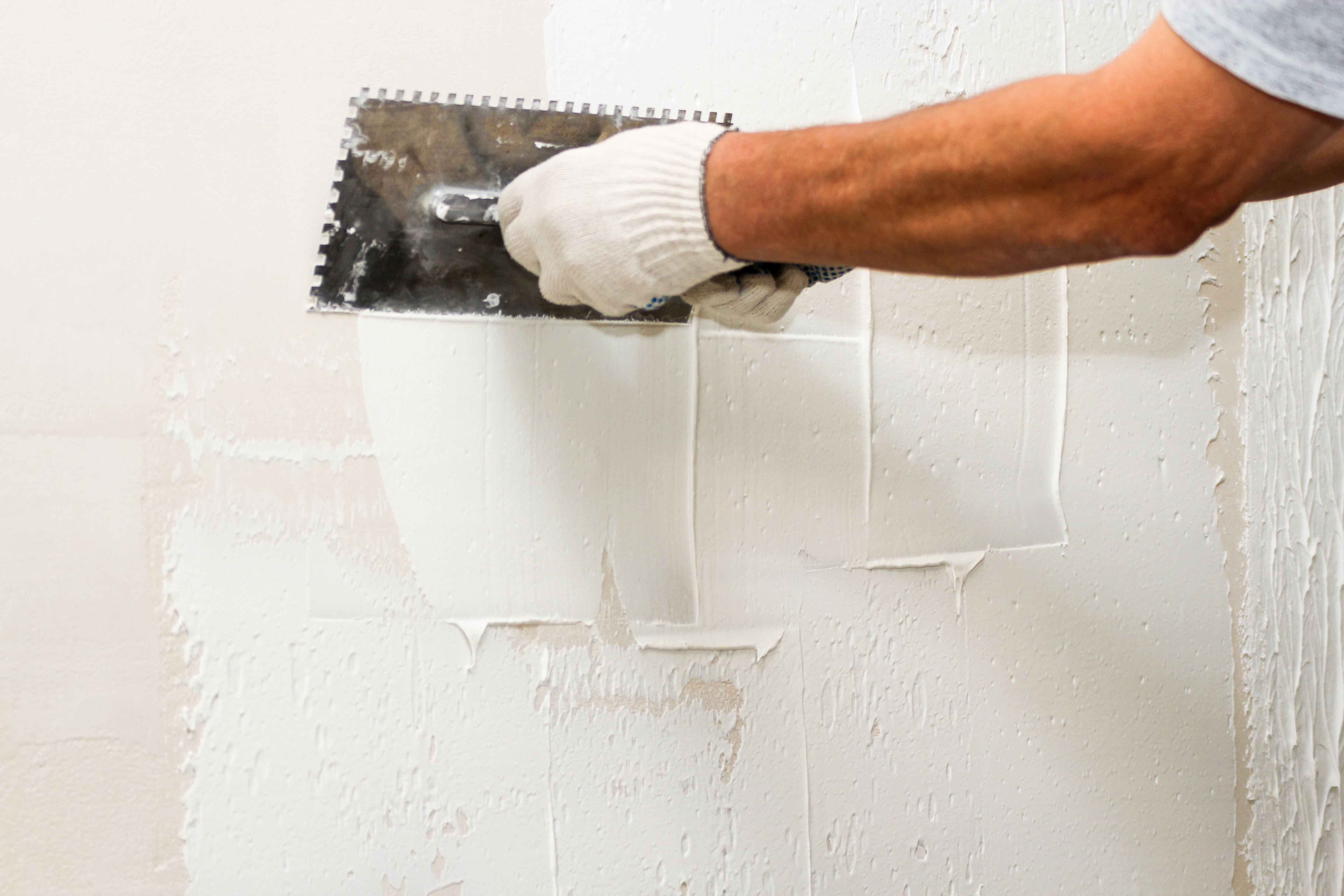
Drywall damage can occur for various reasons, including settling of the house, moisture infiltration, and accidental impacts. Identifying the cause is crucial for effective repair. For example, addressing moisture issues can prevent future damage and save money in the long run.
Here are some typical causes of drywall damage:
- Normal settling of the home
- Moisture or water leaks
- Accidental impacts
- Improper installation
Tools You’ll Need for Drywall Repair
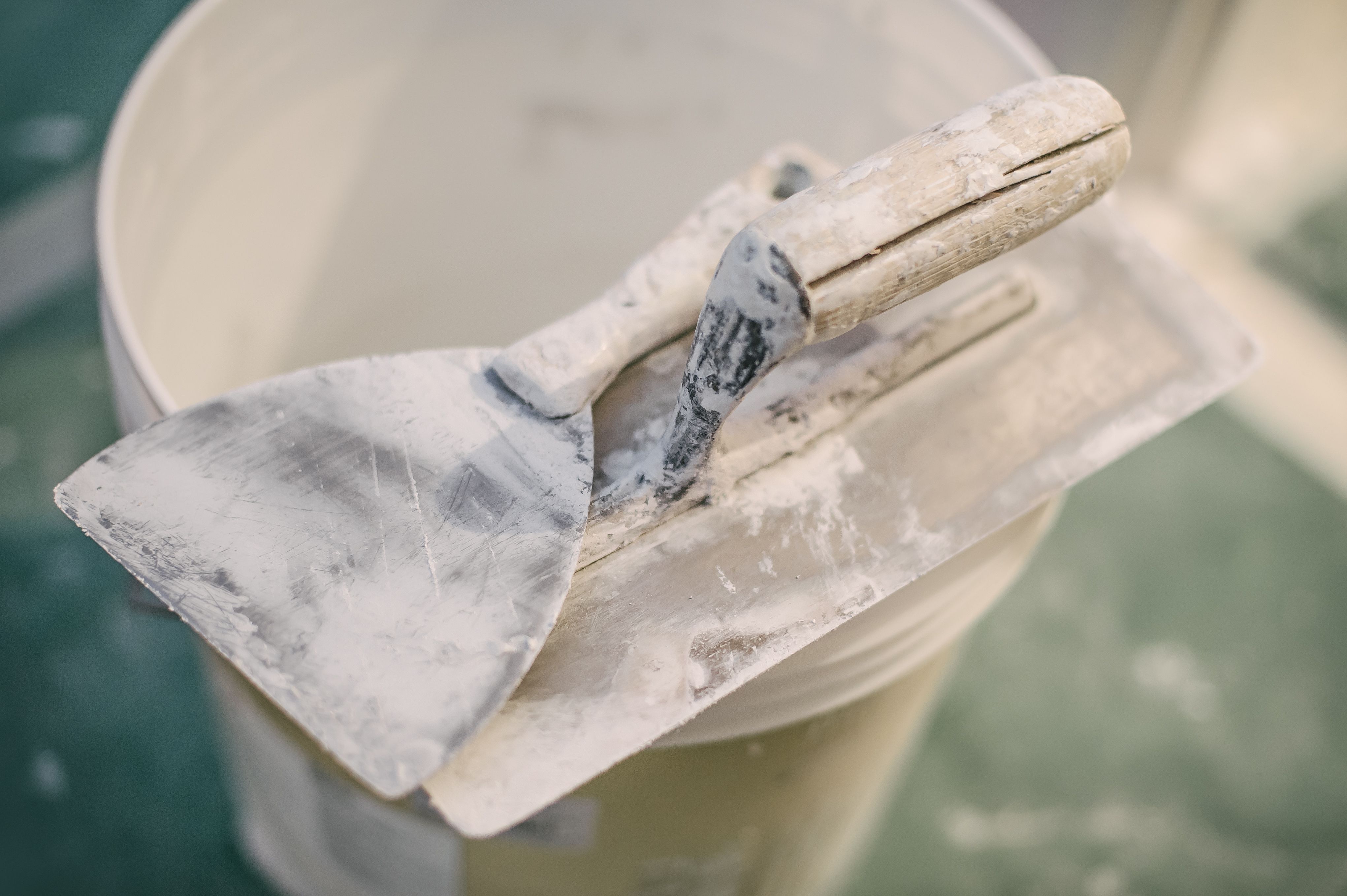
Having the right tools on hand is essential for effective drywall repair. Some basic tools include:
- Utility knife
- Drywall saw
- Taping knife
- Sandpaper or sanding sponge
- Drywall screws
Step-by-Step Guide to Patching Drywall
Repairing drywall can seem daunting, but with a step-by-step approach, even beginners can achieve professional results. Start by cleaning the damaged area and removing any loose debris. Use a utility knife to cut a clean, rectangular hole around the damage.
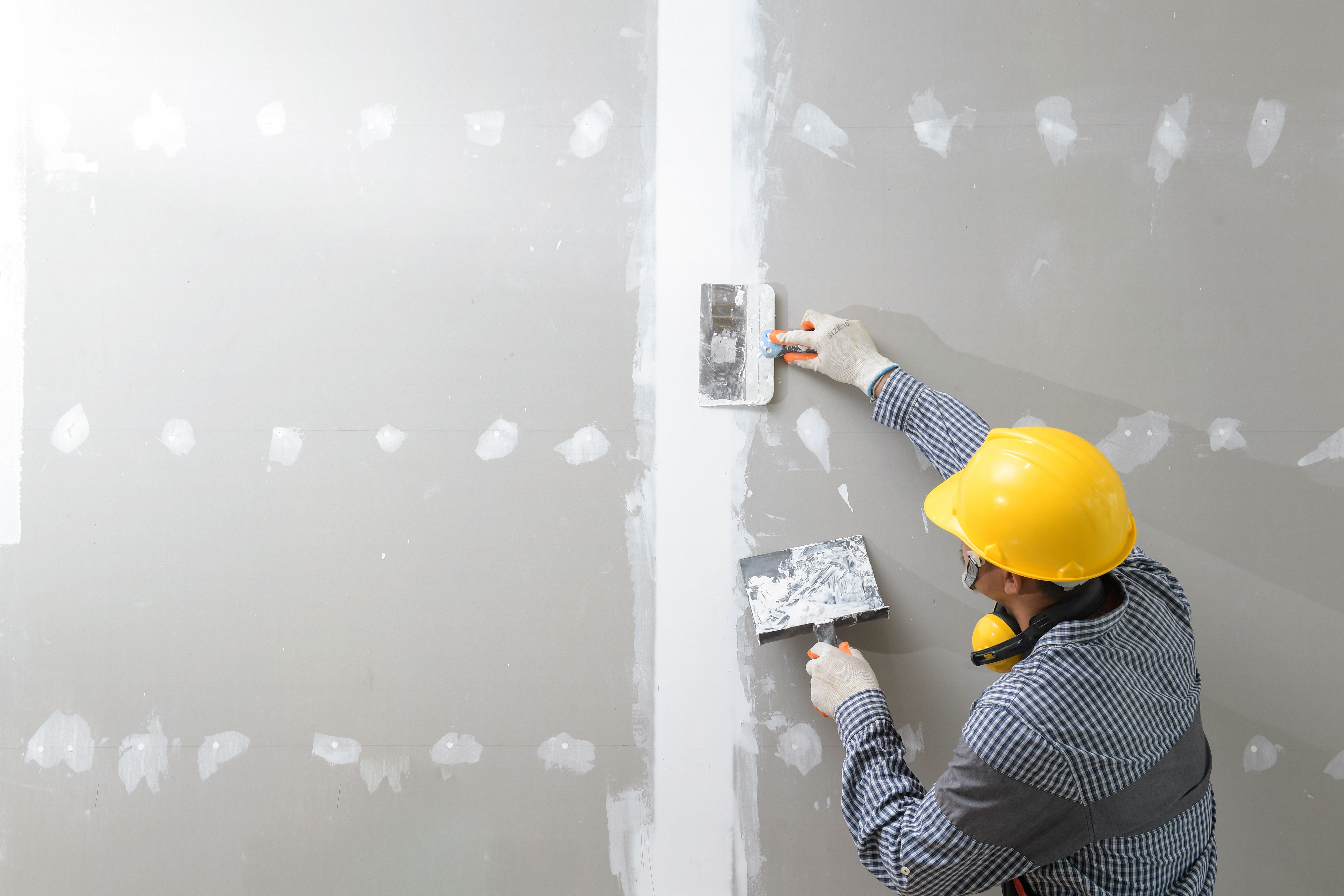
Next, cut a new piece of drywall to fit the hole and secure it with drywall screws. Apply joint compound over the seams and use a taping knife to smooth it out. Once dry, sand the area for a seamless finish.
When to Call a Professional
While many drywall repairs can be tackled by homeowners, some situations require professional expertise. Large holes, extensive water damage, or structural issues may be beyond the scope of DIY repairs. In these cases, hiring a professional ensures the job is done safely and correctly.
Preventing Future Drywall Damage
Prevention is always better than repair. Regular home maintenance can help prevent drywall damage. This includes checking for leaks, ensuring proper ventilation, and using corner guards to protect high-traffic areas.
By taking these precautions, you can extend the life of your drywall and keep your Colorado home looking its best for years to come.