
Drywall Repair: Common Mistakes and How to Avoid Them
IC
Understanding Drywall Repair
Drywall is a popular choice for interior walls and ceilings, but it's not immune to damage. From minor dents to significant holes, drywall issues are common in many homes. Unfortunately, DIY drywall repair often leads to mistakes that can make the problem worse.
Overlooking the Importance of Preparation
The first mistake many make is skipping the preparation phase. Properly preparing the area is crucial for a seamless repair. This includes cleaning the damaged area, removing any loose debris, and ensuring the surface is dry.
Failing to prepare can result in poor adhesion of the repair materials, leading to a less durable fix. To avoid this, always take time to prepare your workspace thoroughly before starting any repair.
Using the Wrong Materials
Choosing the right materials is key to a successful drywall repair. Many people mistakenly use inappropriate compounds or tapes. It's essential to use a joint compound for patching and a high-quality drywall tape for cracks.
Using the wrong materials can cause the repair to fail or look uneven. Research and invest in quality products to ensure a long-lasting repair.
Improper Application Techniques
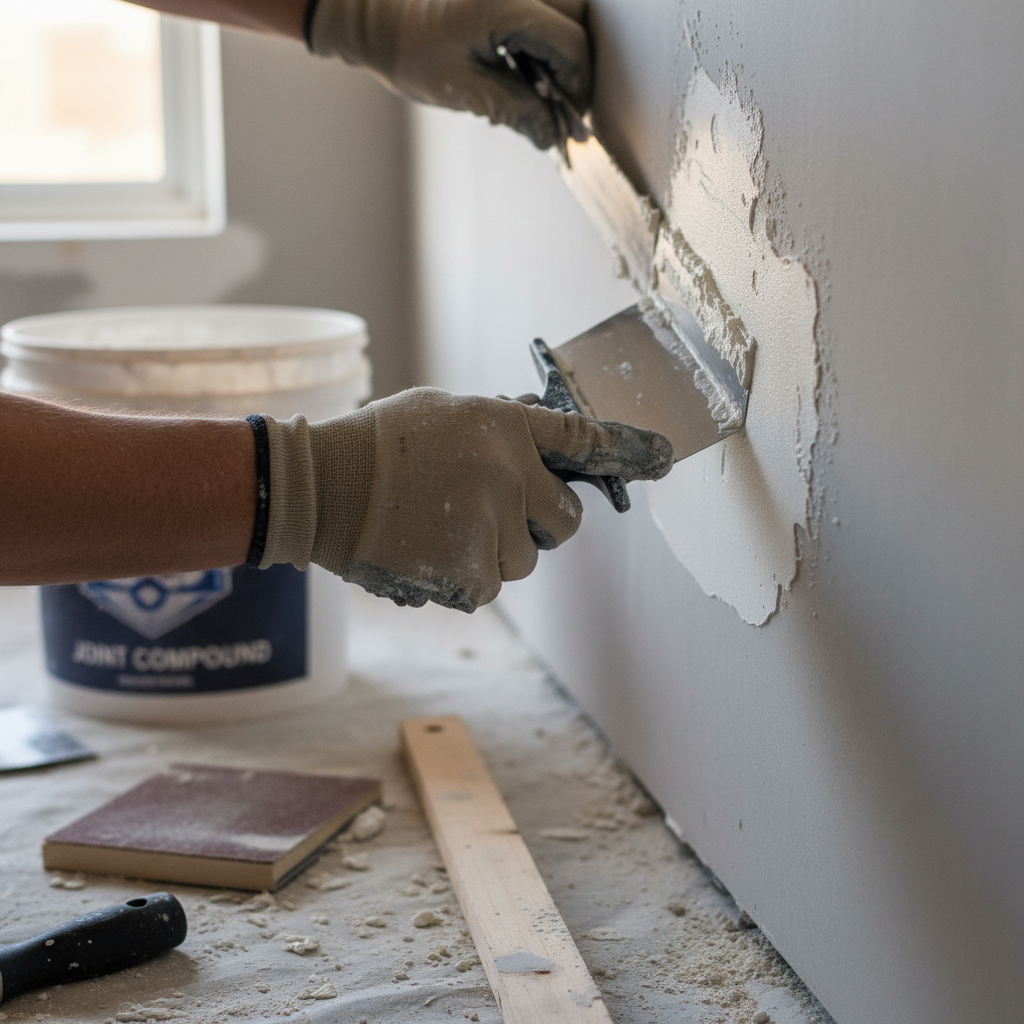
Another common mistake involves the actual application of repair materials. Applying too much compound, not feathering the edges, or failing to sand between layers can result in a noticeable patch.
To avoid these issues, apply thin layers of compound, allowing each to dry before sanding lightly. This will help achieve a smooth, professional finish.
Neglecting to Prime and Paint
Once the repair is complete, many people rush to paint without priming first. Skipping primer can lead to uneven paint absorption, making the repair area stand out. Always prime the patched area before painting to ensure a uniform appearance.

Not Seeking Professional Help When Needed
While DIY repairs can save money, some situations require professional intervention. If you're dealing with large holes or extensive damage, it's wise to consult a professional. They have the expertise and tools to handle complex repairs efficiently.
Recognizing when to call in an expert can save time and ensure the job is done right the first time.
Conclusion
Repairing drywall can be a straightforward task if approached correctly. By avoiding these common mistakes and following best practices, you can achieve a seamless and durable repair. Remember, preparation, the right materials, and proper techniques are key to success.