
DIY Tips for Light Fixture Replacement: When to Call a Professional
IC
Introduction to DIY Light Fixture Replacement
Replacing a light fixture can be a rewarding DIY project that brightens up your space and adds a personal touch to your home. However, it’s important to know when a project is manageable on your own and when it’s best to call in a professional. In this guide, we'll cover essential tips for tackling light fixture replacements yourself and highlight scenarios where expert help is advisable.

Essential Tools and Safety Precautions
Gathering Your Tools
Before you begin, make sure you have all necessary tools on hand. Common tools include a voltage tester, screwdriver, wire nuts, and electrical tape. Having the right tools will make the process smoother and safer.
Prioritizing Safety
Safety should always be your top priority. Ensure the power is turned off at the circuit breaker before starting any electrical work. Use a voltage tester to double-check that the wires are not live. Wearing insulated gloves can provide extra protection.
Steps to Replace a Light Fixture
Removing the Old Fixture
Once the power is off, carefully remove the old fixture by unscrewing it and disconnecting the wires. Take note of the wire connections, as you’ll need to replicate them with the new fixture. It’s helpful to have someone assist you by holding the fixture as you work.
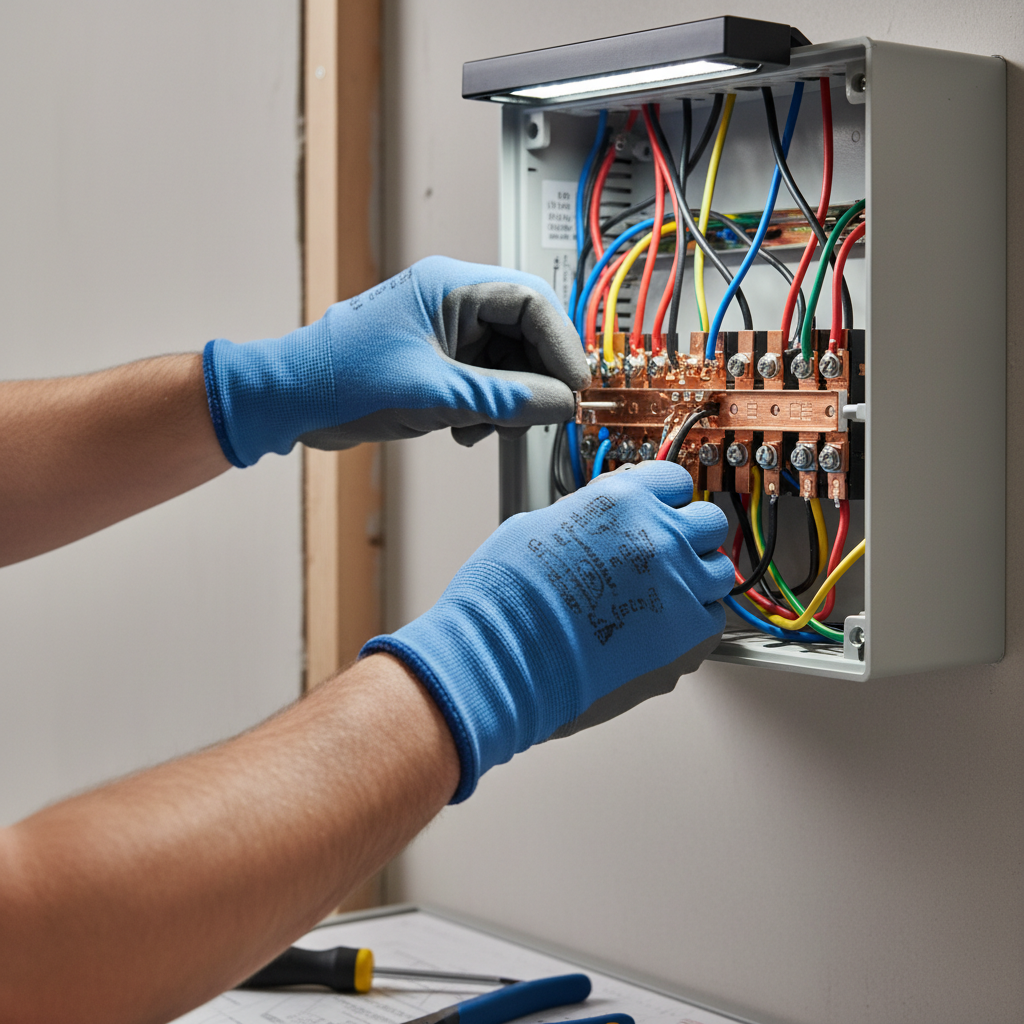
Installing the New Fixture
With the old fixture out of the way, you’re ready to install the new one. Follow these steps:
- Connect the wires, matching the colors (black to black, white to white, and ground to ground).
- Secure the connections with wire nuts and wrap them with electrical tape for added security.
- Mount the fixture to the ceiling or wall, ensuring it’s tightly secured.
Once everything is in place, restore power at the circuit breaker and test the fixture to ensure it’s working properly.
When to Call a Professional
Complex Wiring or Old Homes
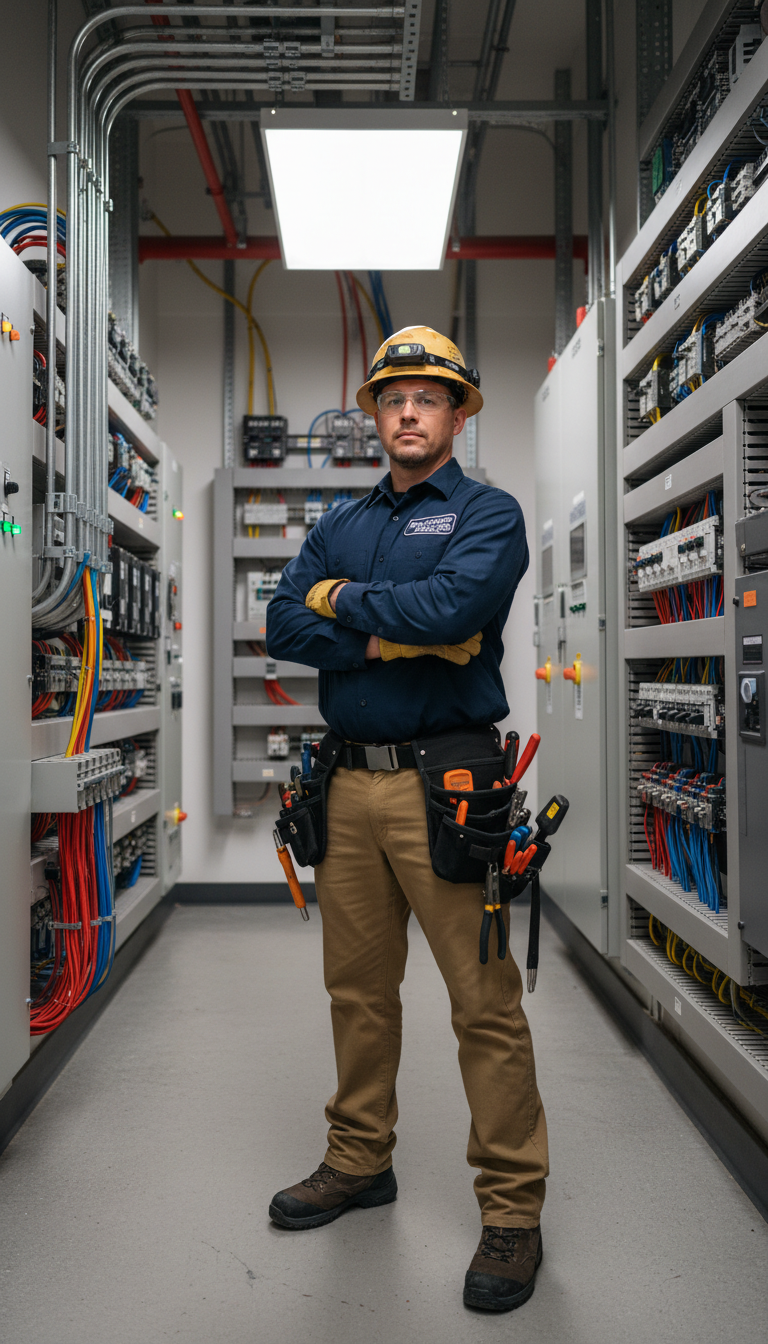
Homes with outdated wiring or complex electrical systems can present challenges that exceed typical DIY skills. If you encounter aluminum wiring or cloth-covered wires, it’s best to consult a professional. These materials require specialized handling and expertise.
Permits and Inspections
In some cases, replacing a light fixture might require a permit or inspection, especially if it involves significant changes to your home’s electrical system. A licensed electrician will be familiar with local codes and can ensure your project complies with all regulations.
Conclusion
While replacing a light fixture can be a manageable DIY task, it’s crucial to recognize your limits and prioritize safety. By knowing when to call a professional, you can ensure your home remains safe and your new fixture functions perfectly. Whether you do it yourself or seek expert help, a well-installed light fixture can illuminate your space beautifully.