
Comprehensive Guide to Drywall Repair and Patching in Colorado
IC
Drywall repair and patching are essential skills for homeowners in Colorado. Whether it's fixing a minor dent or addressing water damage, knowing how to handle drywall issues can save time and money. This comprehensive guide will walk you through the process to ensure your walls look as good as new.
Understanding Drywall
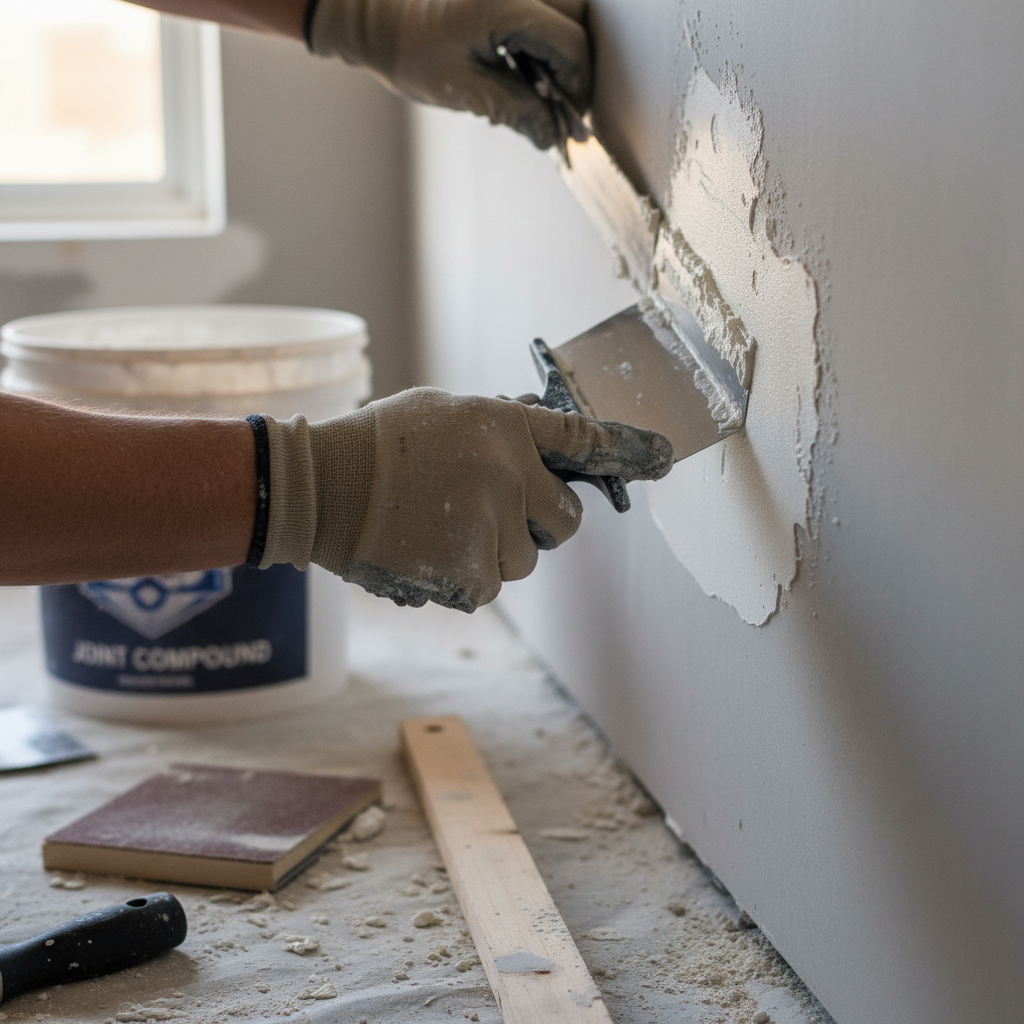
Drywall, also known as gypsum board, is a common building material used for interior walls and ceilings. It's favored for its ease of installation and affordability. However, due to its composition, drywall can be susceptible to damage from everyday activities and environmental factors.
Common Causes of Drywall Damage
Understanding the causes of drywall damage can help you prevent future issues. Common causes include:
- Accidental impacts: Moving furniture or accidental bumps can cause dents.
- Moisture exposure: Leaks or high humidity can lead to water damage.
- Settling homes: Structural shifts can cause cracks over time.
Essential Tools and Materials
Before starting any repair, gather the necessary tools and materials. You'll need:
- Utility knife
- Drywall saw
- Joint compound
- Drywall tape
- Sandpaper
- Putty knife
- Paint and primer
Safety Considerations
Safety is crucial when working with drywall. Wear protective eyewear, a dust mask, and gloves to prevent injury and exposure to dust.
Step-by-Step Repair Process
Follow these steps for effective drywall repair:
1. Assess the Damage
Examine the extent of the damage to determine the best repair method. Small holes might require simple patching, while larger areas may need new drywall installation.
2. Prepare the Area
Clear the area of any loose debris and sand the edges for a smooth finish. Cut away any damaged drywall if necessary.
3. Apply the Patch
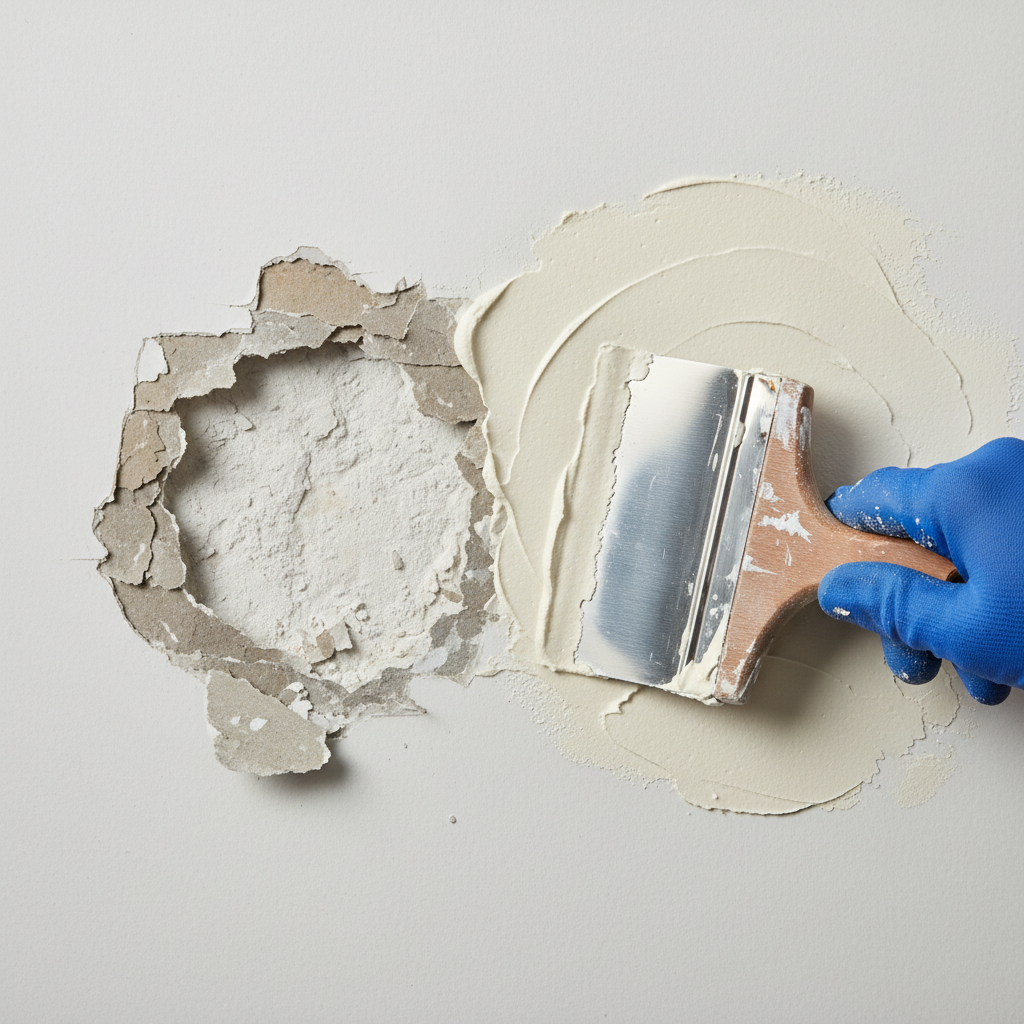
For small holes, apply a patch using drywall tape and joint compound. For larger areas, cut a piece of new drywall to fit the hole and secure it with screws.
Once the patch is in place, apply joint compound over the seams and tape, smoothing it out with a putty knife.
4. Sand and Finish
Allow the compound to dry completely before sanding it down to a smooth finish. Apply primer and paint to match the rest of the wall.
Maintaining Your Drywall
Regular maintenance can prolong the life of your drywall. Inspect your walls periodically for signs of damage and address issues promptly to prevent further deterioration.
By following this guide, Colorado homeowners can tackle drywall repairs with confidence, ensuring their homes remain in top condition.