
Common Myths About Small Home Repairs Debunked
IC
Understanding DIY Home Repairs
When it comes to small home repairs, many homeowners are tempted to tackle the projects themselves. However, several myths surrounding DIY repairs can lead to confusion and mistakes. By debunking these myths, you can approach your projects with confidence and avoid common pitfalls.
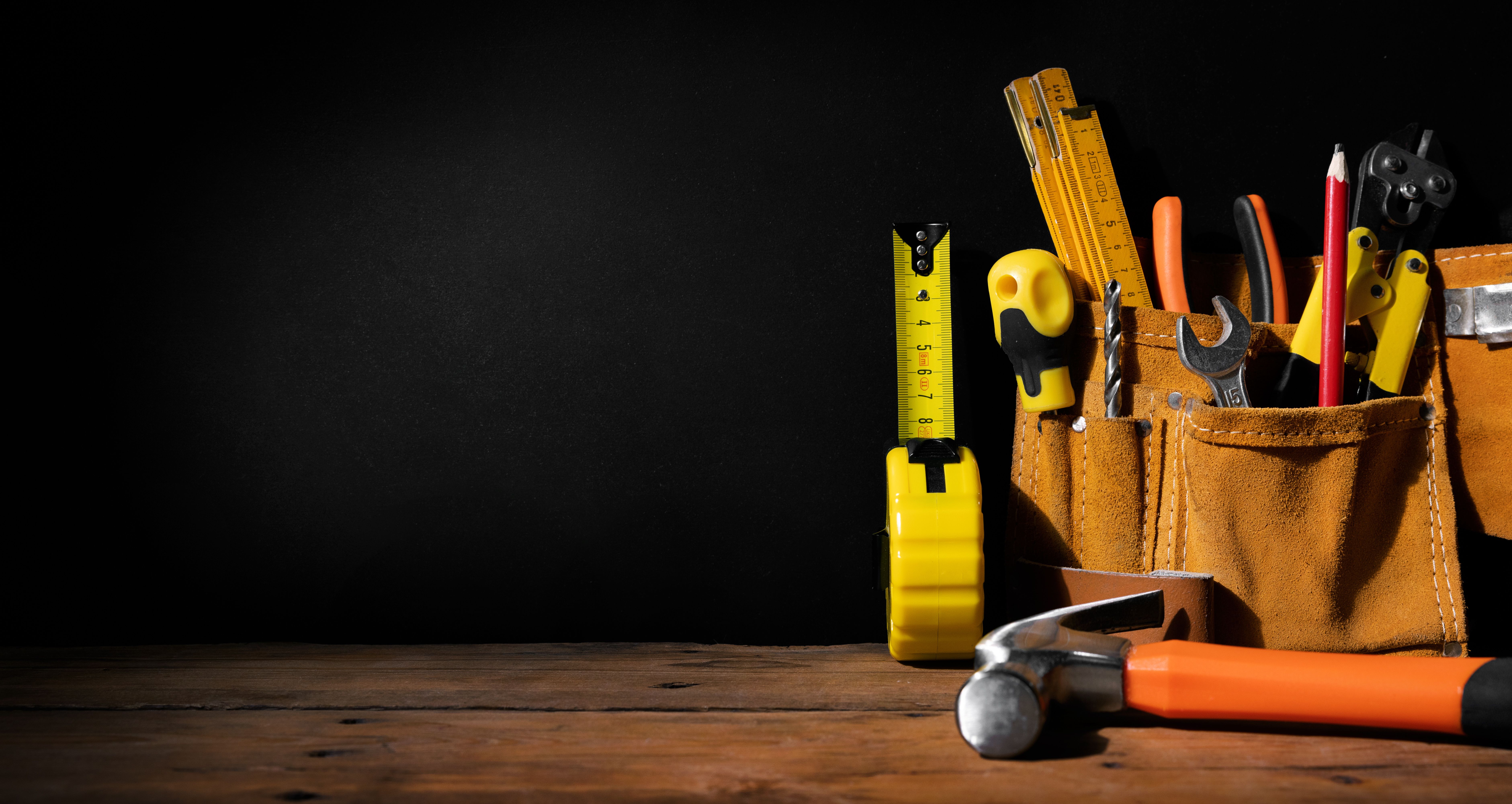
Myth 1: DIY Repairs Always Save Money
One of the most common myths about small home repairs is that doing it yourself will always save money. While it's true that you won't pay for labor, you may end up spending more if you don't have the right tools or make mistakes that require professional fixes. Consider the cost of materials, tools, and potential errors before deciding to go the DIY route.
When to Consider Professional Help
It’s important to recognize when a repair is beyond your skill level. For complex tasks like electrical or plumbing work, hiring a professional may be more cost-effective in the long run. Safety should always be your top priority.
Myth 2: All Repairs Can Be Done Quickly
Another misconception is that small repairs can be completed quickly. In reality, even minor tasks can take longer than expected, especially for those new to DIY projects. Preparation, research, and practice are key to managing your time effectively.
The Importance of Planning
Before starting any repair, take the time to plan out the steps involved. Gather all necessary materials and tools, and watch tutorials or read guides. This preparation will help streamline the process and reduce the likelihood of delays.
Myth 3: You Don’t Need Special Tools
Many believe that basic household tools are sufficient for all repairs. While some projects can be completed with a simple toolbox, others may require specialized tools. Investing in or renting the right equipment can make a significant difference in the quality and ease of your repairs.

Tool Investment Tips
Consider purchasing versatile tools that can be used for multiple projects. Quality over quantity is essential, as durable tools will last longer and perform better. Renting tools for one-time projects is also a practical option.
Myth 4: DIY Repairs Are Risk-Free
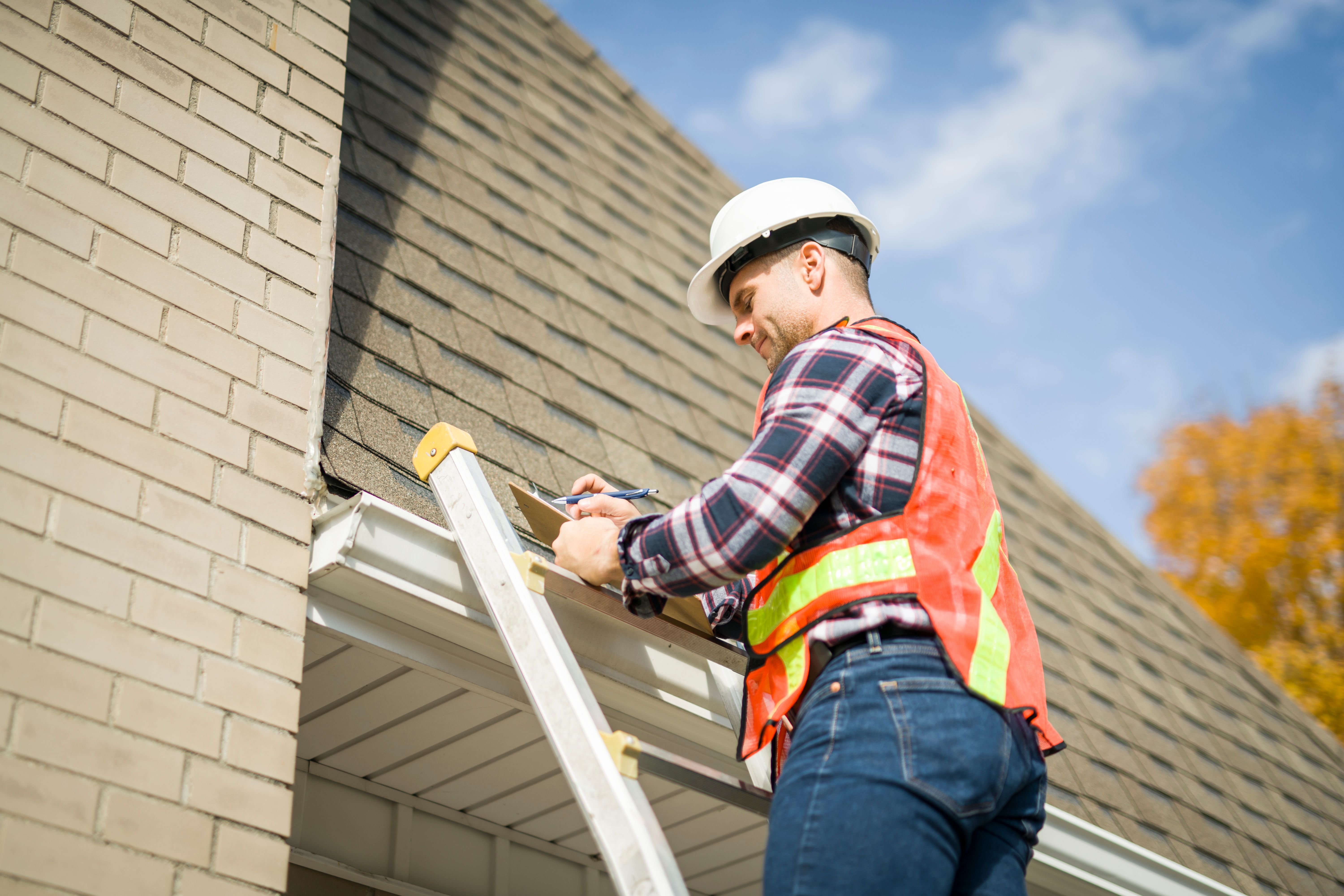
Some people assume that small home repairs come with minimal risk. However, even simple tasks can pose dangers, such as falls, cuts, or exposure to hazardous materials. Always prioritize safety by wearing protective gear and following safety guidelines.
Safety Precautions to Follow
Ensure your workspace is clean and organized to prevent accidents. Familiarize yourself with safety procedures relevant to your project, and never hesitate to seek professional help if you're unsure about the risks involved.