
Common Myths About Light Fixture Replacement and How to Avoid Them
IC
Understanding Light Fixture Replacement
Replacing a light fixture may seem daunting, but it doesn’t have to be. Many myths surround this task, causing unnecessary confusion. In this post, we’ll debunk these myths and provide practical advice to help you tackle light fixture replacement with confidence.
Before diving in, it’s essential to have a basic understanding of your home’s electrical system and to ensure safety measures are in place. Let's explore some common misconceptions and how to avoid falling into these traps.

Myth 1: You Need a Professional Electrician for Every Replacement
While hiring a professional electrician is advisable for complex installations, many light fixture replacements can be handled by homeowners with a little DIY experience. Simple tasks like replacing a ceiling light or wall sconce often require basic tools and a bit of patience.
However, if you encounter old wiring or complex systems, it’s wise to consult a professional. Always turn off the power at the circuit breaker before starting any electrical work to ensure safety.
Myth 2: All Fixtures Require the Same Installation Process
Not all light fixtures are created equal. Each type, whether it’s a chandelier, pendant light, or recessed lighting, has specific installation requirements. Understanding the nuances of each fixture type is crucial for a successful replacement.

Always refer to the manufacturer's instructions provided with the fixture. These guides offer step-by-step directions tailored to the specific product, helping to avoid errors and ensure a secure installation.
Myth 3: Higher Wattage Equals Better Lighting
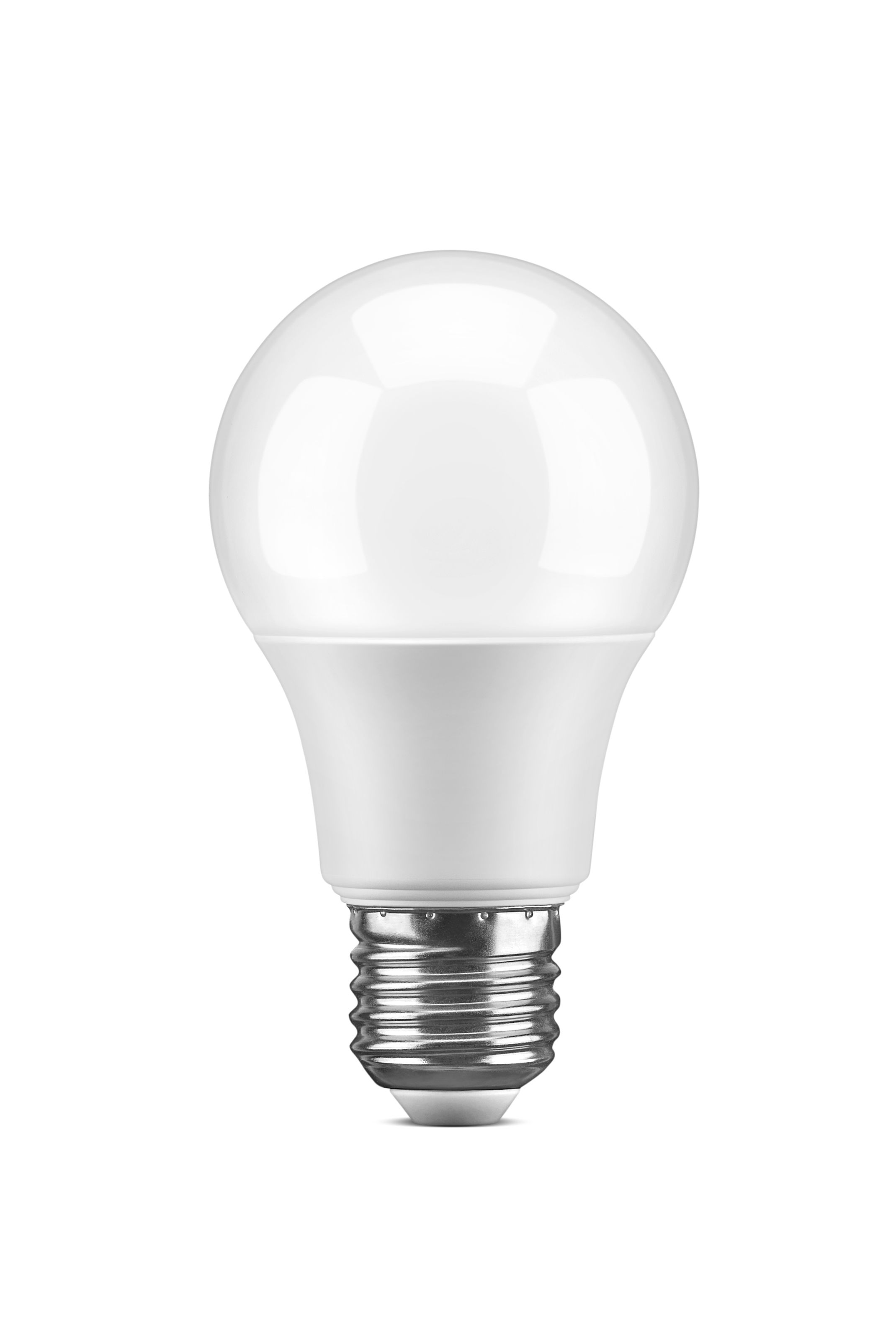
Many believe that choosing a bulb with higher wattage will provide better lighting, but this isn’t always true. Modern lighting solutions focus on lumens, a measure of brightness, rather than wattage, which measures energy use.
LED bulbs, for instance, offer high lumens with lower wattage, making them both energy-efficient and bright. Consider the room’s purpose and choose lighting that enhances the space without overpowering it.
Myth 4: Light Fixture Replacement Is a One-Person Job
While it’s possible to replace a light fixture on your own, having an extra set of hands can be immensely helpful. Fixtures can be heavy or awkward to handle, so assistance can ensure both safety and precision.
If a helper isn’t available, consider using supportive tools like ladders with platforms or braces designed for fixture installation.
Conclusion
By dispelling these common myths, you can approach light fixture replacement with greater assurance and clarity. Remember, safety is paramount, so don’t hesitate to seek professional help if needed. Armed with the right knowledge and tools, you can transform your home’s lighting with ease.