
Common Misconceptions About Baseboard and Trim Installation
IC
Understanding Baseboard and Trim Installation
Baseboard and trim installation might seem like a straightforward task, but there are several misconceptions that can lead to mistakes in the process. Whether you're a seasoned DIYer or a homeowner looking to enhance your space, it's crucial to understand the nuances involved in these installations. This article aims to clarify some of the most common misconceptions.
Misconception 1: All Baseboards and Trim Are the Same
A frequent misunderstanding is that all baseboards and trim are identical. In reality, there are various materials, styles, and sizes to choose from. Each type serves different aesthetic and functional purposes. For instance, medium-density fiberboard (MDF) is often used for its smooth finish, while wood offers a more traditional look. Selecting the right material is essential for achieving the desired outcome.
Consider the environment where the baseboards will be installed. Moisture-prone areas might require materials like PVC or vinyl that resist water damage. Making informed choices based on your specific needs can prevent issues later on.
Misconception 2: Installation Is Easy and Quick
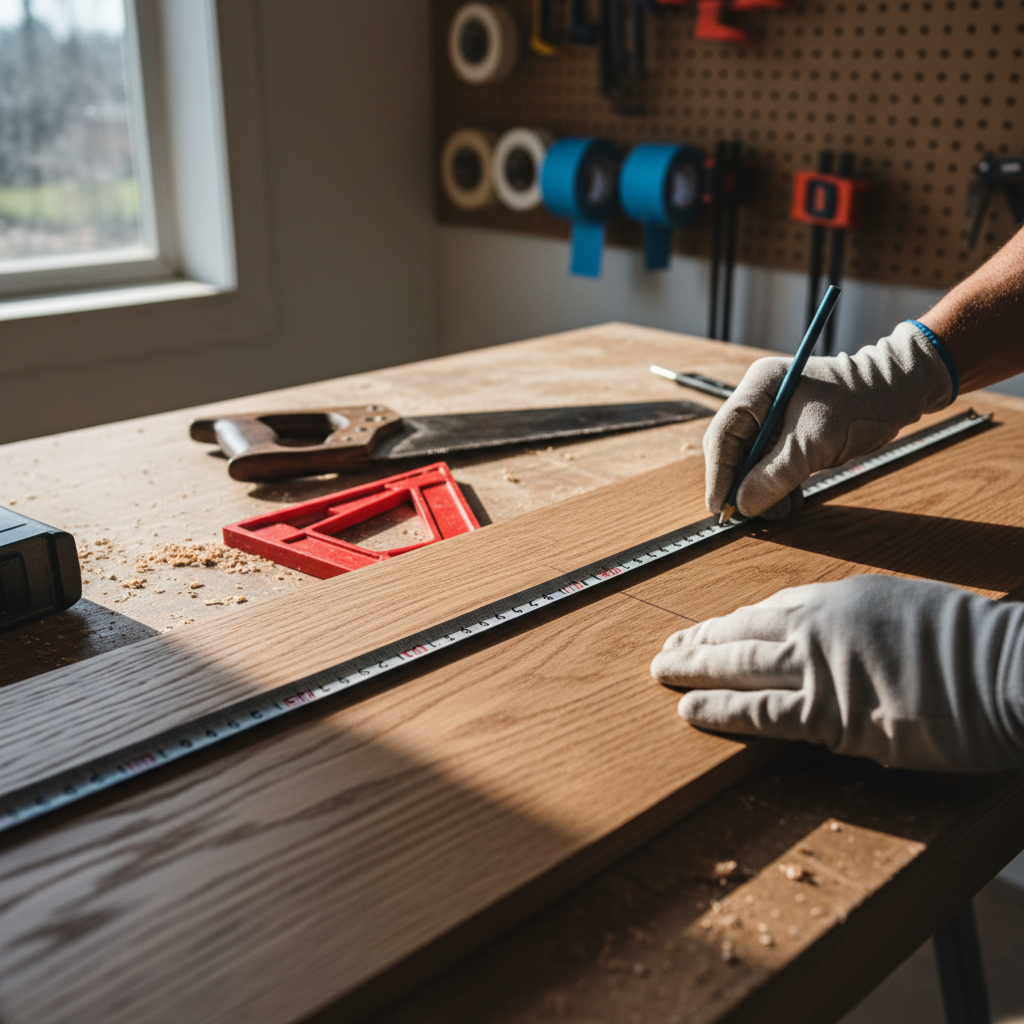
Another common belief is that installing baseboards and trim is a quick and easy process. While it might look simple, proper installation requires attention to detail and precision. Accurate measurements are crucial to ensure a perfect fit, and any mistakes can lead to gaps or uneven edges.
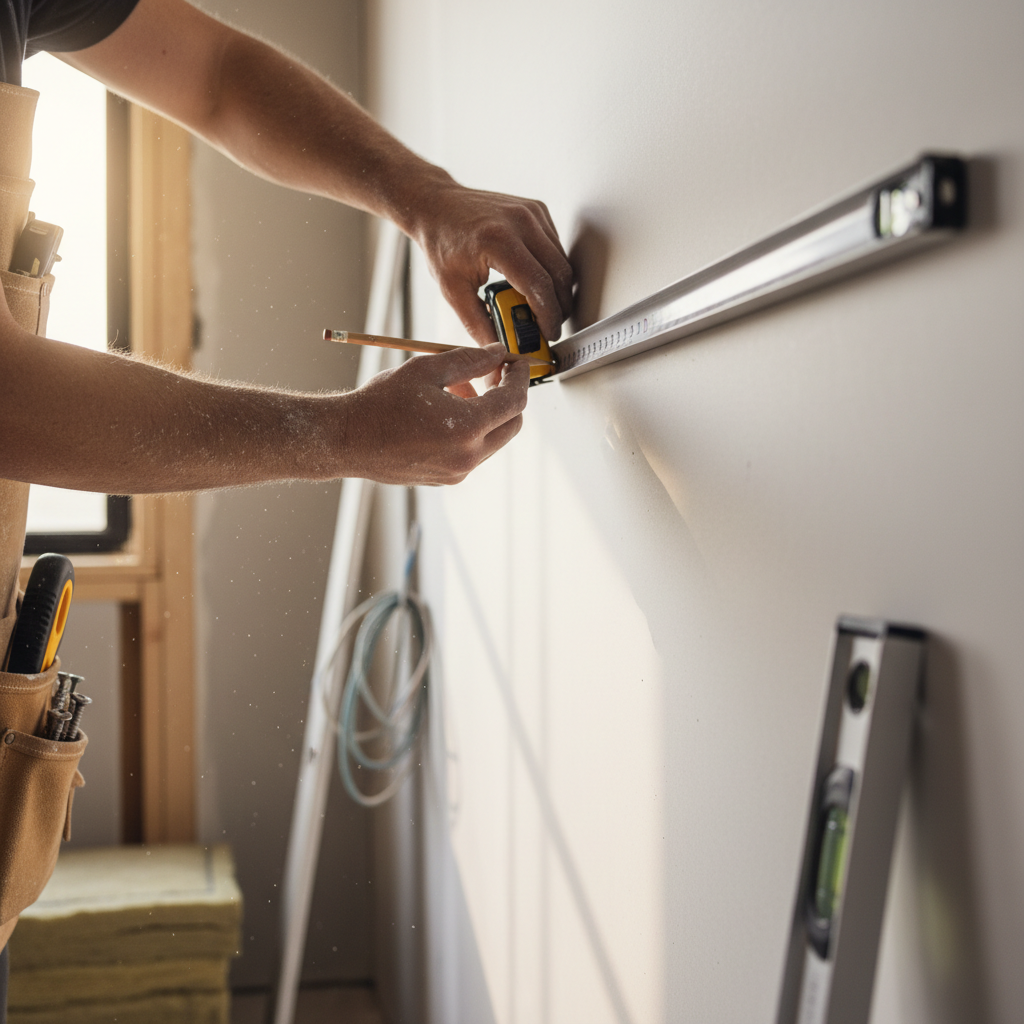
Moreover, cutting angles, especially for corners, is a task that demands skill. Using a miter saw correctly and ensuring the cuts are precise is key to a professional finish. Rushing through the process can lead to mistakes that may require redoing the work entirely.
Misconception 3: Painting Is Only for Aesthetic Purposes
Painting baseboards and trim is not solely for aesthetic appeal. While it does enhance the look, painting also serves as a protective layer. It helps prevent moisture absorption, which can lead to swelling and warping over time. Choosing the right type of paint and applying it correctly is vital.
It's essential to use a primer before painting, especially on materials like MDF, to ensure the paint adheres properly. Additionally, opting for a high-quality paint will provide better durability and a more professional finish.

Misconception 4: Nailing Is the Only Fastening Method
Many assume that nails are the only way to secure baseboards and trim. While nailing is common, there are other methods that can be equally effective, such as using adhesive or a combination of both. Adhesives can provide a cleaner look as they eliminate the need for nail holes that require filling.
However, it's important to select the right adhesive for the material and wall type. Not every adhesive is suitable for all surfaces, so consulting with a professional or conducting thorough research is advisable.
Conclusion: Importance of Professional Guidance
In conclusion, understanding these common misconceptions about baseboard and trim installation can make a significant difference in the quality of your project. While DIY efforts can be rewarding, seeking professional advice or assistance when needed can save time and resources. Proper planning, material selection, and technique are crucial for a successful installation.